
Democratic Education
Democratic Education
At True Nature Sudbury School, democracy is more than a way of making decisions! It is the foundation of our school community. Democratic education gives children the opportunity to experience democracy every day by participating in the decisions that shape school life. It is through this lived experience that children develop confidence, responsibility, respect for others, and a genuine understanding of what it means to be an active member of a community.
Every member of the school, regardless of age, has an equal voice and an equal vote. Whether someone is six years old or an adult staff member, each person's perspective is valued equally. This reflects our belief that every individual deserves to be heard, respected, and trusted to contribute meaningfully to the life of the school.
School Meetings
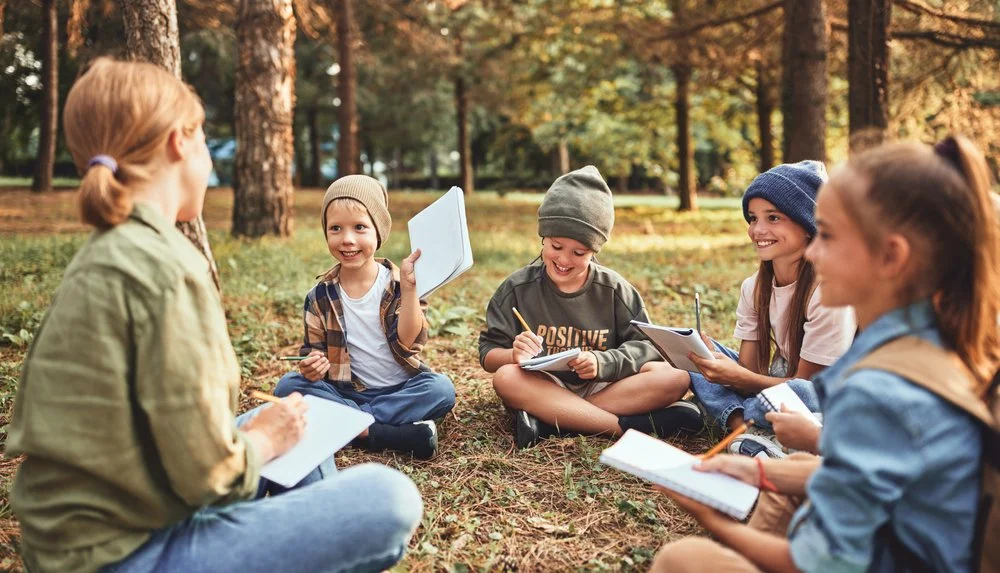
The School Meeting is at the heart of democratic life at True Nature Sudbury School. It is where the community comes together to discuss ideas, solve problems, make decisions, approve budgets, create and amend school rules, and shape the ongoing development of the school.
Children play an active role in leading these meetings, taking on responsibilities such as chairing discussions, preparing agendas, recording minutes, and ensuring everyone's voice has the opportunity to be heard. Through genuine participation, not simulations or classroom exercises, students develop leadership, communication, organisation, and decision-making skills while learning how democracy works in practice.
Restorative Practices
Democratic education also means learning how to live well together. At True Nature Sudbury School, restorative practices are woven into everyday school life, helping to build a culture of respect, accountability, empathy, and belonging.
When disagreements or conflicts arise, the focus is not on blame or punishment but on understanding what happened, listening to all perspectives, recognising the impact of our actions, and working together to repair relationships wherever possible. Children learn how to communicate respectfully, resolve conflict constructively, take responsibility for their choices, and contribute positively to their community.
By involving children in resolving issues rather than solving problems for them, restorative practices help develop emotional intelligence, resilience, and the confidence to navigate challenges both within and beyond school.
Democracy in Everyday School Life
Democratic education extends far beyond School Meetings. It is integrated into every aspect of the school's culture and operation. Children and staff work together to create a community where everyone shares responsibility for maintaining a safe, respectful, and supportive environment.
Students have opportunities to contribute to many areas of school life, including:
Developing and reviewing school rules and policies.
Participating in committees and community projects.
Helping to organise events and activities.
Contributing ideas for improving the school environment.
Taking responsibility for shared spaces and resources.
Working collaboratively to solve challenges as they arise.
Rather than simply preparing children for democracy in the future, democratic education allows them to experience it every day.
The Benefits of Democratic Education
Research and decades of experience from democratic schools around the world suggest that democratic education helps children develop far more than academic knowledge. It nurtures the skills, attitudes, and personal qualities needed to thrive throughout life.
Children who learn in democratic environments often develop:
Confidence in expressing their ideas and opinions.
Strong communication and active listening skills.
Independence and self-motivation.
Leadership and teamwork skills.
Critical thinking and thoughtful decision-making.
Personal responsibility and accountability.
Respect for different perspectives.
Emotional intelligence and empathy.
Effective conflict resolution skills.
A strong sense of belonging and community.
Adaptability, resilience, and problem-solving abilities.
An understanding of democratic participation and civic responsibility.
Confidence to advocate for themselves and others.
A lifelong commitment to learning, curiosity, and personal growth.
At its heart, democratic education recognises that children are capable contributors to their own community. When young people are trusted, listened to, and given meaningful opportunities to participate, they develop the confidence, responsibility, and skills needed not only to succeed in life, but to help create compassionate, engaged, and democratic communities wherever they go.